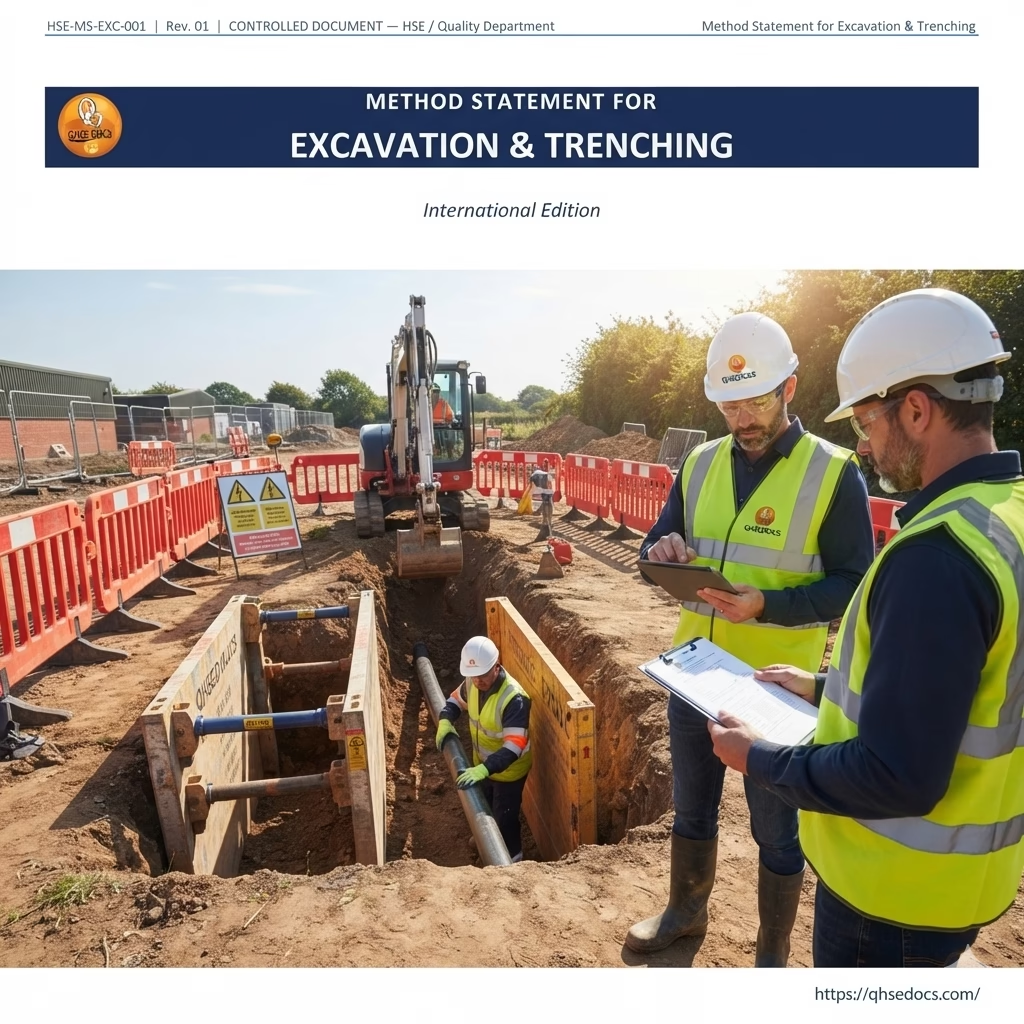
Description
Method Statement for Excavation & Trenching — Document Overview
This method statement for excavation & trenching sets out a safe, step-by-step system of work for digging, shoring, and backfilling. It covers ground investigation, protective systems, and emergency procedures. As a result, your site team gains a clear, ready-to-follow procedure for every stage of trench work.
The document suits both open excavations and narrow trenches on civil, MEP, and utility projects. Furthermore, it addresses common hazards such as cave-ins, falling material, and underground services. Consequently, supervisors can brief the crew quickly and confidently before work begins.
What’s Included
The Microsoft Word (.docx) file contains every section a project needs for excavation and trenching approval. Specifically, it includes:
- Scope of work and site description
- Sequence of operations for digging, shoring, and backfilling
- Hazard identification and control measures
- Protective systems: sloping, benching, shoring, and shielding
- Emergency response and rescue arrangements
- Roles, responsibilities, and permit-to-work references
Who Needs This Document
QHSE officers, HSE managers, and site supervisors rely on this document to plan safe trench works. In addition, contractors, project engineers, and subcontractors use it to demonstrate compliance before excavation starts. Therefore, it suits any organisation that digs, trenches, or lays underground services.
Compliance Standards for Excavation & Trenching
This method statement for excavation & trenching aligns with international good practice for construction safety. It also reflects quality principles from ISO 9001 and the safety framework in ISO 45001. The control measures follow the OSHA 1926 Subpart P excavation standard for the United States. They also align with excavation guidance from the UK Health and Safety Executive. As a result, project teams can adapt one document across multiple regulatory environments.
How to Use and Edit This Template
Open the file in Microsoft Word, then update the project name, location, and site-specific hazards. Next, insert your company logo, approval signatures, and permit numbers. After that, review the sequence of operations with your competent person before issuing the document for site use. Finally, save a controlled copy for your QHSE records.
For related trench-safety documents, review our risk assessment for excavation and trenching, our excavation and earthwork inspection checklist, or our method statement for dewatering for groundwater control on deeper trenches.
Download Your Method Statement for Excavation & Trenching
Equip your team with a compliant, editable procedure today. Get instant access to this method statement for excavation & trenching in Microsoft Word (.docx) format and start planning safer trench works now.
FAQ’s
Q1: What does this document include?
A1: This method statement for excavation & trenching includes scope of work, sequence of operations, hazard controls, protective systems, and emergency procedures in an editable Microsoft Word (.docx) file.
Q2: Is it compliant with relevant standards?
A2: Yes. The content reflects ISO 45001 principles, OSHA 1926 Subpart P requirements, and UK HSE excavation guidance, so you can adapt it to your project’s regulatory environment.
Q3: What format is the file?
A3: You receive the method statement for excavation & trenching as an editable Microsoft Word (.docx) file, ready to customise with your project details and branding.
Q4: Who should use this document?
A4: QHSE officers, HSE managers, site supervisors, and contractors use this document to plan and approve safe excavation and trenching works before digging starts.
Q5: How quickly can I download it?
A5: You get instant access after checkout. The method statement for excavation & trenching downloads immediately as a Word file, with no waiting period.
Q6: Can I customise the template?
A6: Yes, the Word document is fully editable. Update the scope, hazards, sequence, and approval signatures to match your specific site and project.