


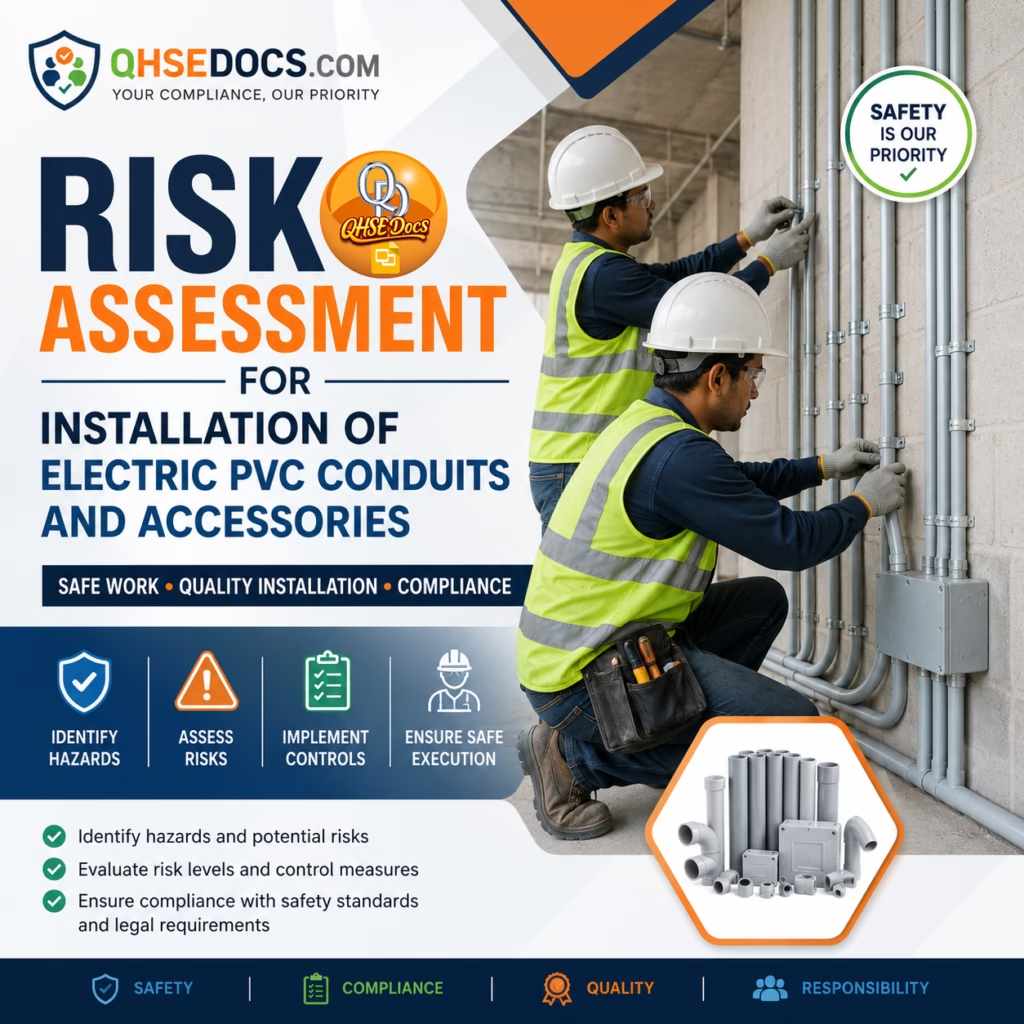
This risk assessment for installation of electric PVC conduits and accessories gives QHSE teams a ready-made framework for managing conduit installation hazards on any construction site. It covers hazard identification, risk rating, and control measures for each stage of the work. As a result, your project stays organised, compliant, and safer for everyone on site.
Risk Assessment for Installation of Electric PVC Conduits and Accessories: Document Overview
This document sets out the scope, purpose, and methodology for assessing risks tied to PVC conduit installation, bending, fixing, and accessory fitting. It walks through each task in the installation sequence, from marking out routes to final termination. Therefore, site teams can plan the work with hazards already mapped and controlled. In addition, the format follows a standard hazard-likelihood-severity matrix that most clients and consultants already recognise.
What’s Included
- Task-by-task hazard identification for conduit routing, bending, and fixing
- Risk rating matrix (likelihood x severity) with residual risk scoring
- Control measures for electrical, manual handling, and working-at-height hazards
- PPE requirements and competency/training notes
- Sign-off section for supervisors and safety officers
- Editable Microsoft Word (.docx) layout, ready for company branding
Who Needs This Document
QHSE officers, HSE managers, site supervisors, electrical contractors, and MEP engineers all rely on this type of document before conduit works begin. Specifically, it suits teams managing new-build, fit-out, or retrofit electrical installations. Furthermore, procurement and consultancy teams often request it as a submittal alongside method statements, so having it ready saves review time. For related electrical-installation documentation, see the Risk Assessment for Installation of Electrical Works and the UPS installation method statement.
Compliance Standards
This risk assessment for installation of electric PVC conduits and accessories aligns with internationally recognised occupational health and safety practice. It supports the risk-assessment requirements of ISO 45001:2018 for occupational health and safety management and references the quality-documentation principles behind ISO 9001. Conduit and fitting selection references the IEC 61386-1 conduit systems for cable management standard, while site electrical work practices reflect the intent of OSHA’s 29 CFR 1926 Subpart K electrical standards for construction. Consequently, teams working across multiple jurisdictions can adapt one framework rather than starting from scratch each time.
How to Edit and Customise the Document
Open the file in Microsoft Word, then replace the placeholder project name, logo, and location details. Next, review each hazard row and adjust the likelihood and severity scores to match your site conditions. After that, add or remove tasks so the document mirrors your actual scope of work. Finally, route it through your internal approval process before issuing it to site.
Download this risk assessment for installation of electric PVC conduits and accessories today and give your team a compliant, editable starting point. Get instant access to the Word file, customise it in minutes, and keep your project audit-ready from the first day of installation.
FAQ’s
Q1: What does this document include?
A1: This risk assessment for installation of electric PVC conduits and accessories covers hazard identification, risk ratings, control measures, PPE requirements, and a supervisor sign-off section, fully editable in Word.
Q2: Is it compliant with relevant standards?
A2: Yes. This risk assessment for installation of electric PVC conduits and accessories follows ISO 45001 risk-management principles and reflects IEC 61386 conduit and OSHA electrical safety guidance.
Q3: What format is the file?
A3: The document arrives as an editable Microsoft Word (.docx) file, so you can update project details, logos, and hazard rows before issuing it on site.
Q4: Who should use this document?
A4: QHSE officers, HSE managers, site supervisors, electrical contractors, and MEP engineers use this risk assessment for installation of electric PVC conduits and accessories before starting conduit work.
Q5: How quickly can I download it?
A5: You receive instant access straight after checkout. Therefore, this risk assessment for installation of electric PVC conduits and accessories is ready to edit within minutes of purchase.
Q6: Can I customise the template?
A6: Yes, fully. Open it in Word, edit hazards, ratings, and branding, and adapt every section to match your own project’s scope and site conditions.