


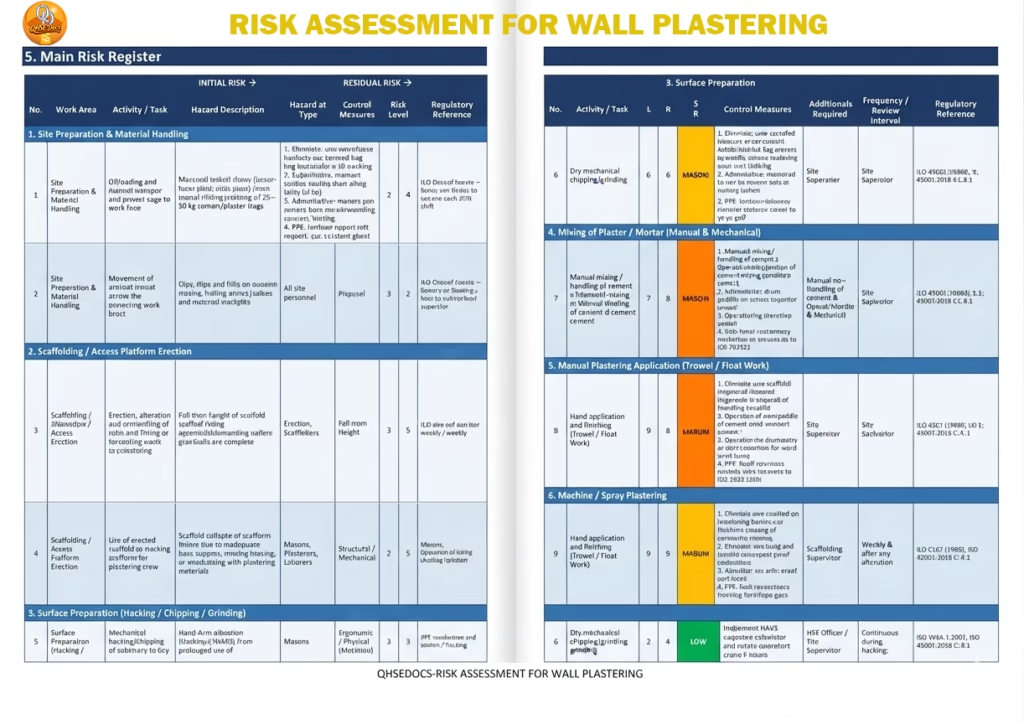
This risk assessment for wall plastering gives construction teams a clear, ready-to-use tool to identify hazards and set controls before plaster work begins. You download an editable Microsoft Word (.docx) file that supports instant customisation and international compliance.
What This Risk Assessment for Wall Plastering Covers
The document addresses the main risks of wall plastering activities. In particular, it focuses on dust inhalation, manual handling, working at height, slips and trips, skin irritation from wet materials and tool-related injuries. Therefore, supervisors can brief crews with confidence and keep residual risk as low as reasonably practicable.
Scope includes surface preparation, mixing, application of base and finish coats, sanding and clean-up. As a result, the assessment works for internal and external plastering on civil and construction projects of varying scale.
What’s Included
- Hazard identification table for wall plastering tasks
- Likelihood and severity risk matrix with residual risk ratings
- Control measures aligned to the hierarchy of controls
- Roles and responsibilities for competent persons and supervisors
- Review and monitoring section for daily checks
- Emergency response and PPE notes
Who Needs This Document
QHSE officers, HSE managers, site supervisors and contractors rely on this risk assessment for wall plastering. Because dust, falls and musculoskeletal injuries remain common in finishing work, project teams need a written assessment before work starts. In addition, principal contractors and subcontractors use it to demonstrate due diligence on high-risk construction activities.
Compliance Standards
The content aligns with ISO 45001 for occupational health and safety management and ISO 9001 for quality systems. Furthermore, it reflects core principles from the HSE guidance on construction dust from sanding plasterboard joints and Safe Work Australia construction codes of practice. Consequently, teams working across different jurisdictions can adapt the document to local regulatory demands while keeping a consistent international baseline.
You may also pair this assessment with the related Finishing Works Checklist (Plastering, Tiling, Painting) and the Risk Assessment for Scaffolding Erection and Dismantling available on QHSE Docs. For groundworks interfaces, review the Risk Assessment for Excavation & Trenching.
How to Use and Edit This Document
Open the file in Microsoft Word and replace the bracketed placeholders with your project name, location and dates. Next, review each hazard against actual site conditions and update the risk ratings. Then add any site-specific controls such as local exhaust ventilation or scaffold platforms. Finally, route the completed assessment through your internal approval process before issuing it to site.
Get instant access to your editable risk assessment for wall plastering today. Download now in Microsoft Word format and start customising it for your next project in minutes.
FAQ’s
Q1: What does this document include?
A1: This risk assessment for wall plastering includes hazard tables, a risk matrix, control measures, roles, review steps and emergency notes. You receive a complete editable package ready for site use.
Q2: Is it compliant with relevant standards?
A2: Yes. The risk assessment for wall plastering aligns with ISO 45001, ISO 9001 and recognised international construction practice so teams meet global expectations.
Q3: What format is the file?
A3: You receive a fully editable Microsoft Word (.docx) file. Open it, replace placeholders and print or share it at once.
Q4: Who should use this document?
A4: QHSE officers, HSE managers, site supervisors and contractors use this risk assessment for wall plastering to plan safe plastering work.
Q5: How quickly can I download it?
A5: You gain instant access immediately after purchase. Download starts at once so you can edit the same day.
Q6: Can I customise the template?
A6: Yes. Because the file is Microsoft Word format, you edit every section, add project details and adjust controls for your exact site conditions.